Reptile Heat Lamp vs Heating Pad for Species Specific Settings
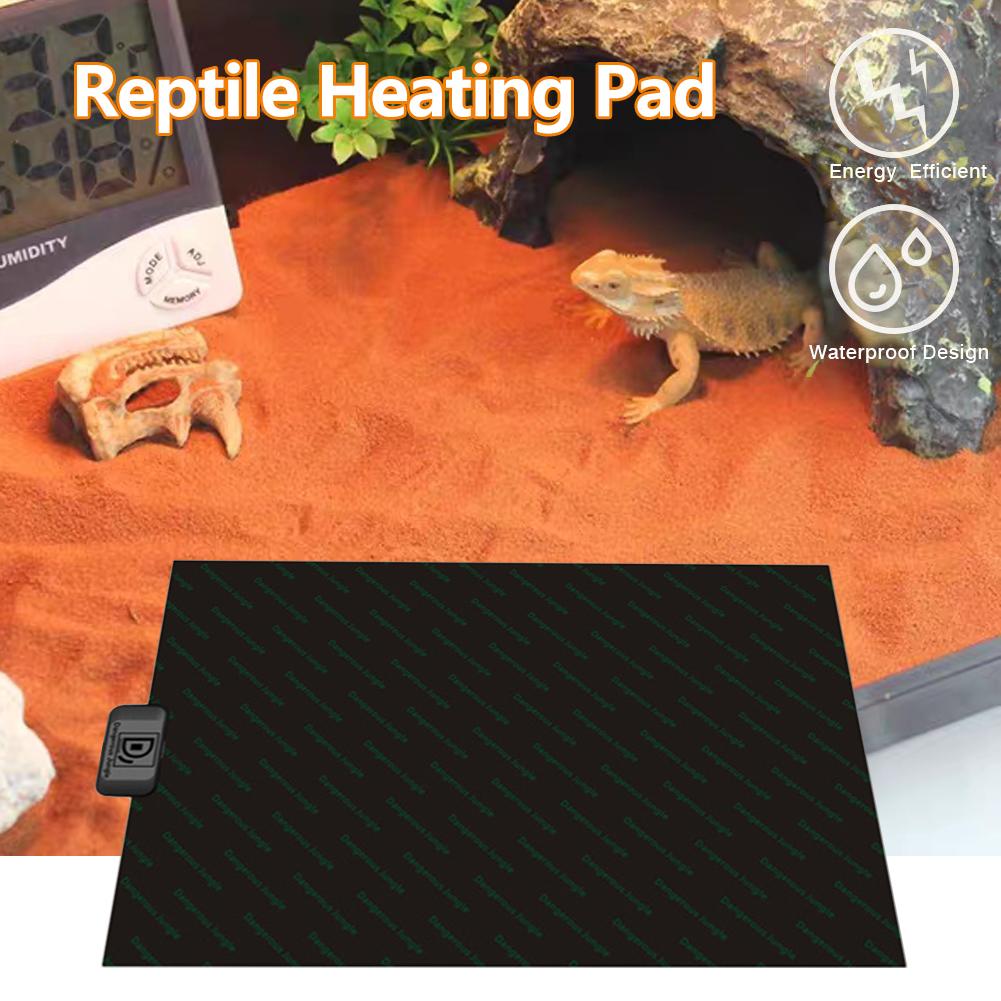
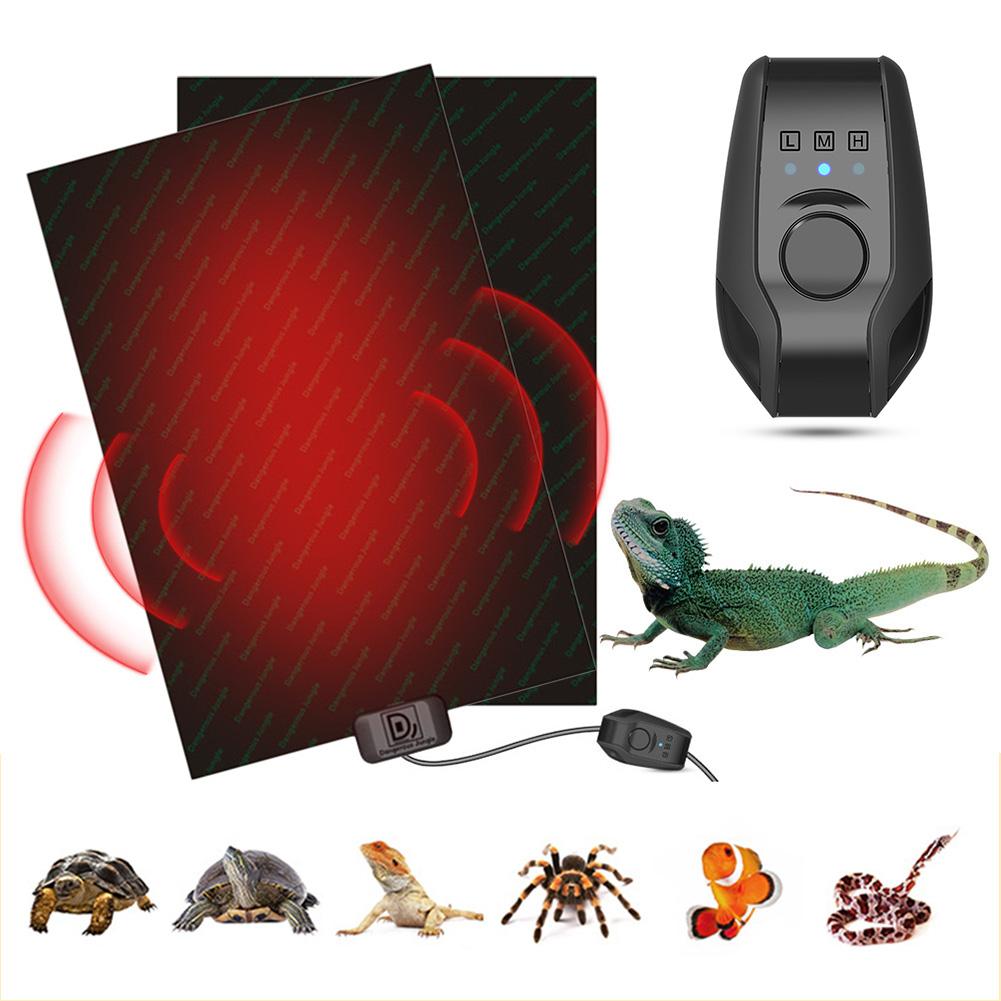
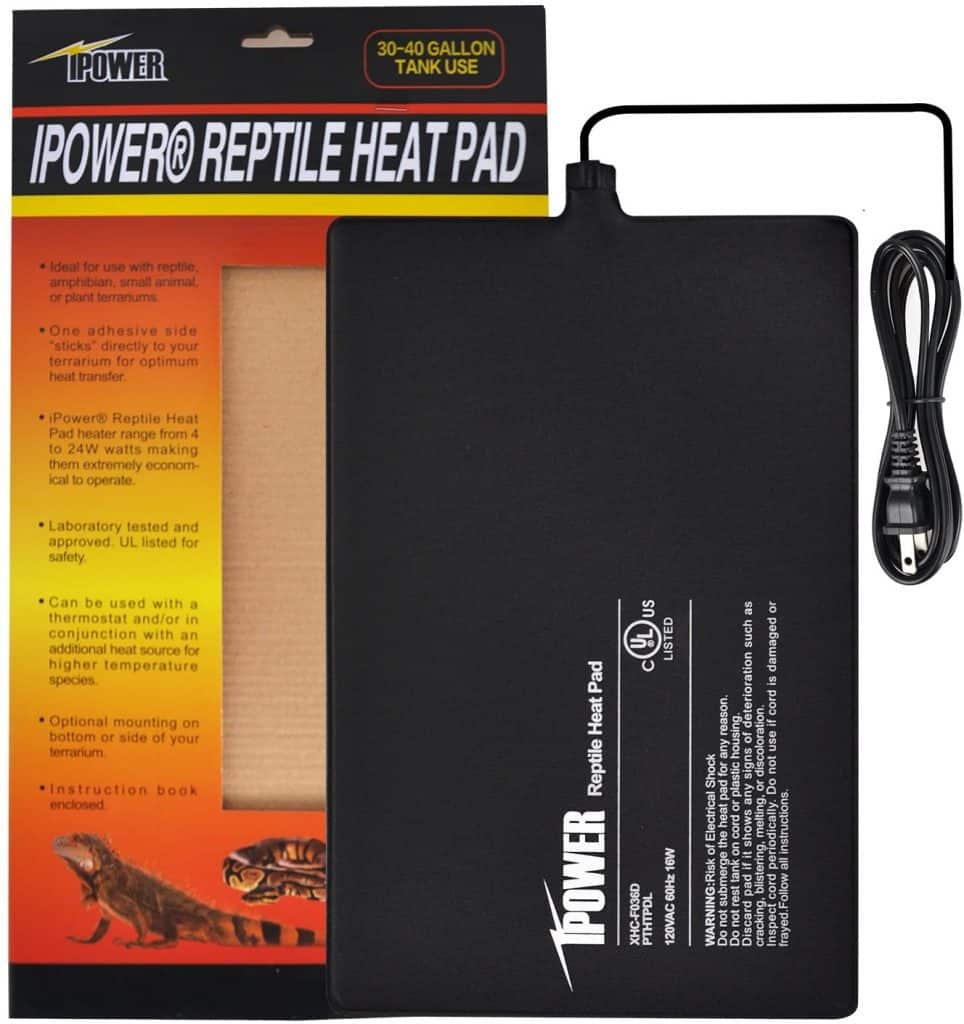
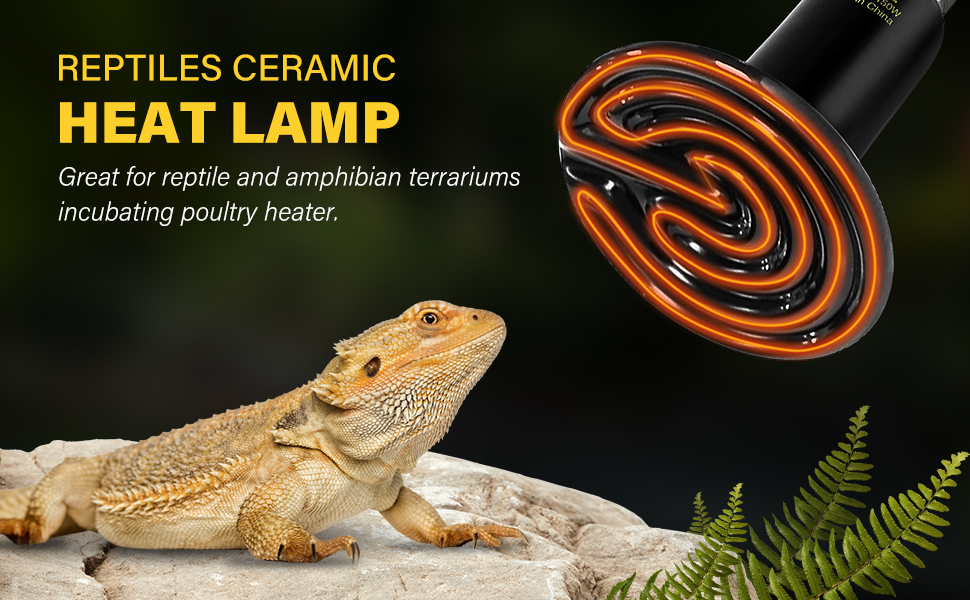
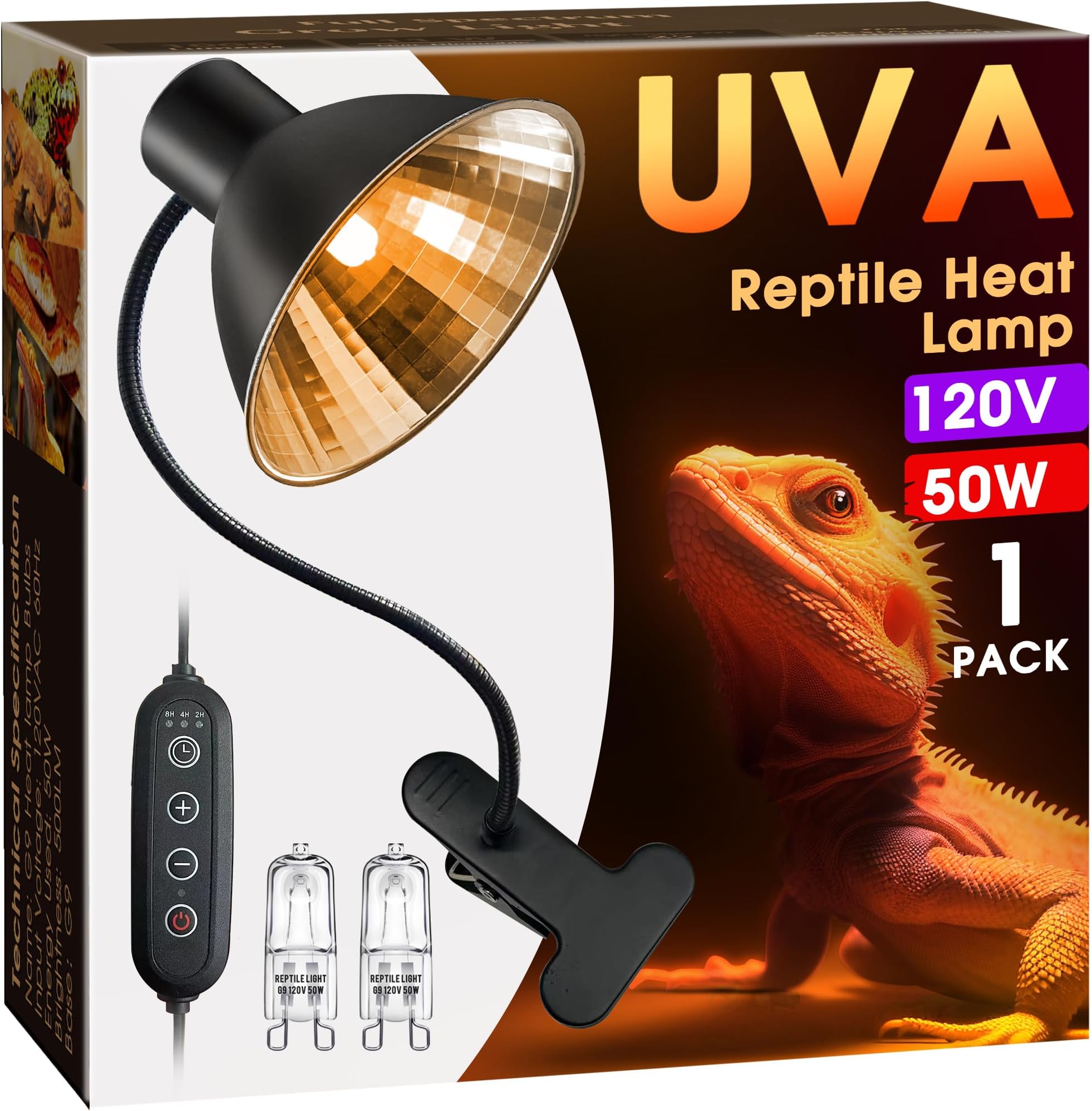
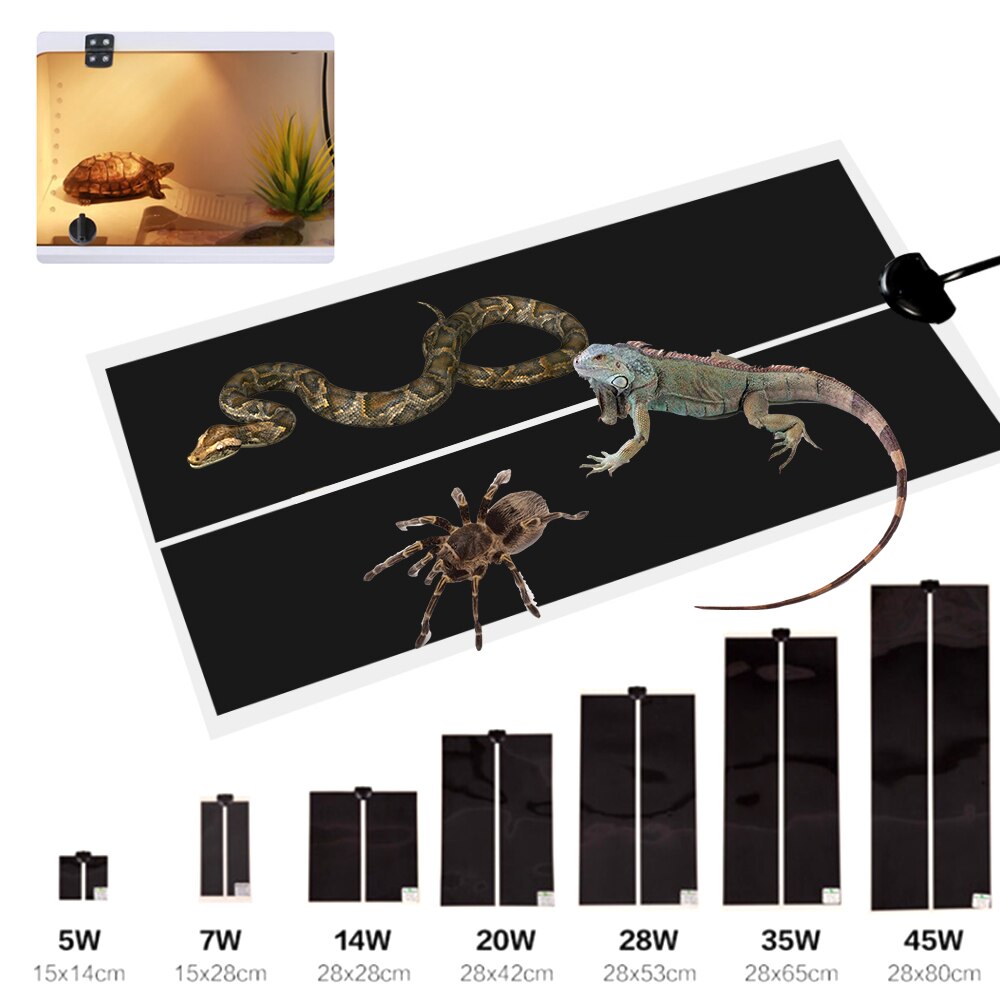
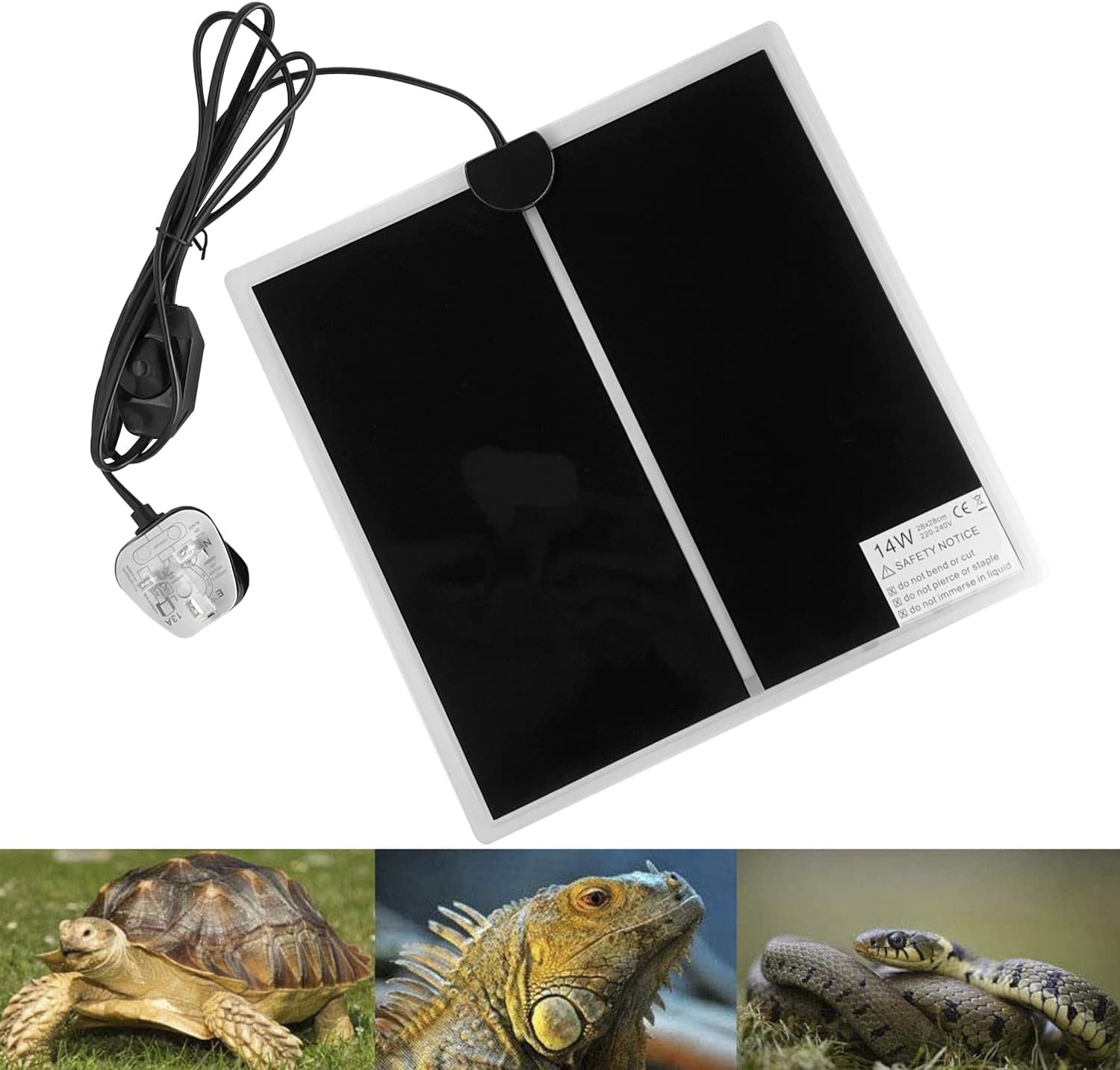
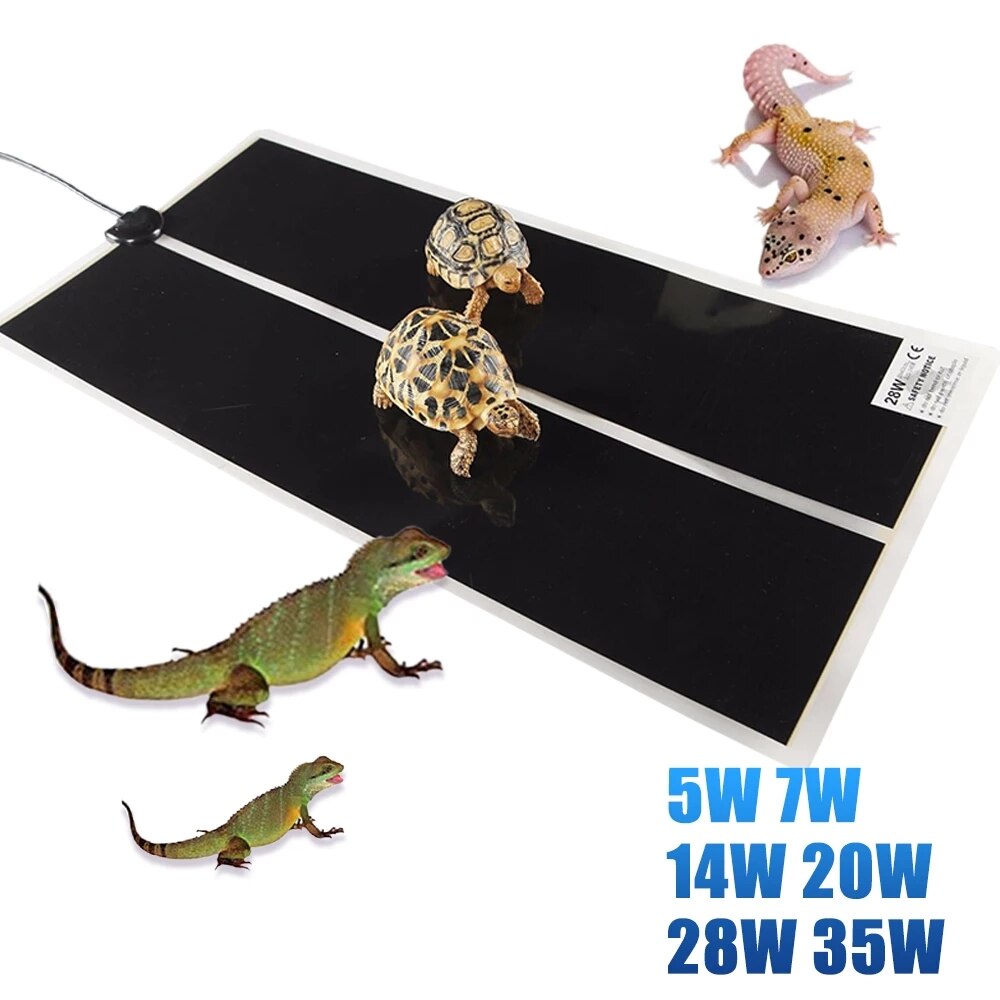
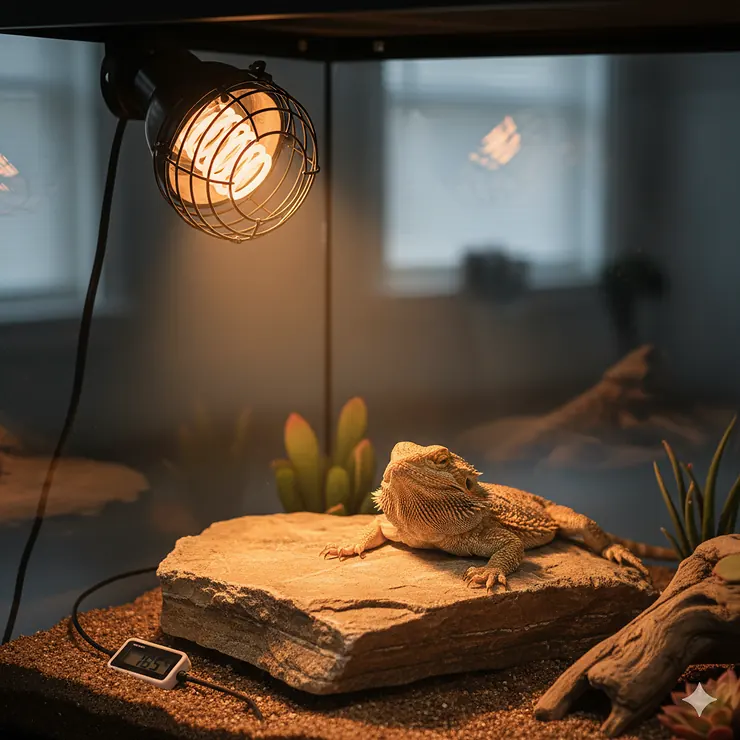
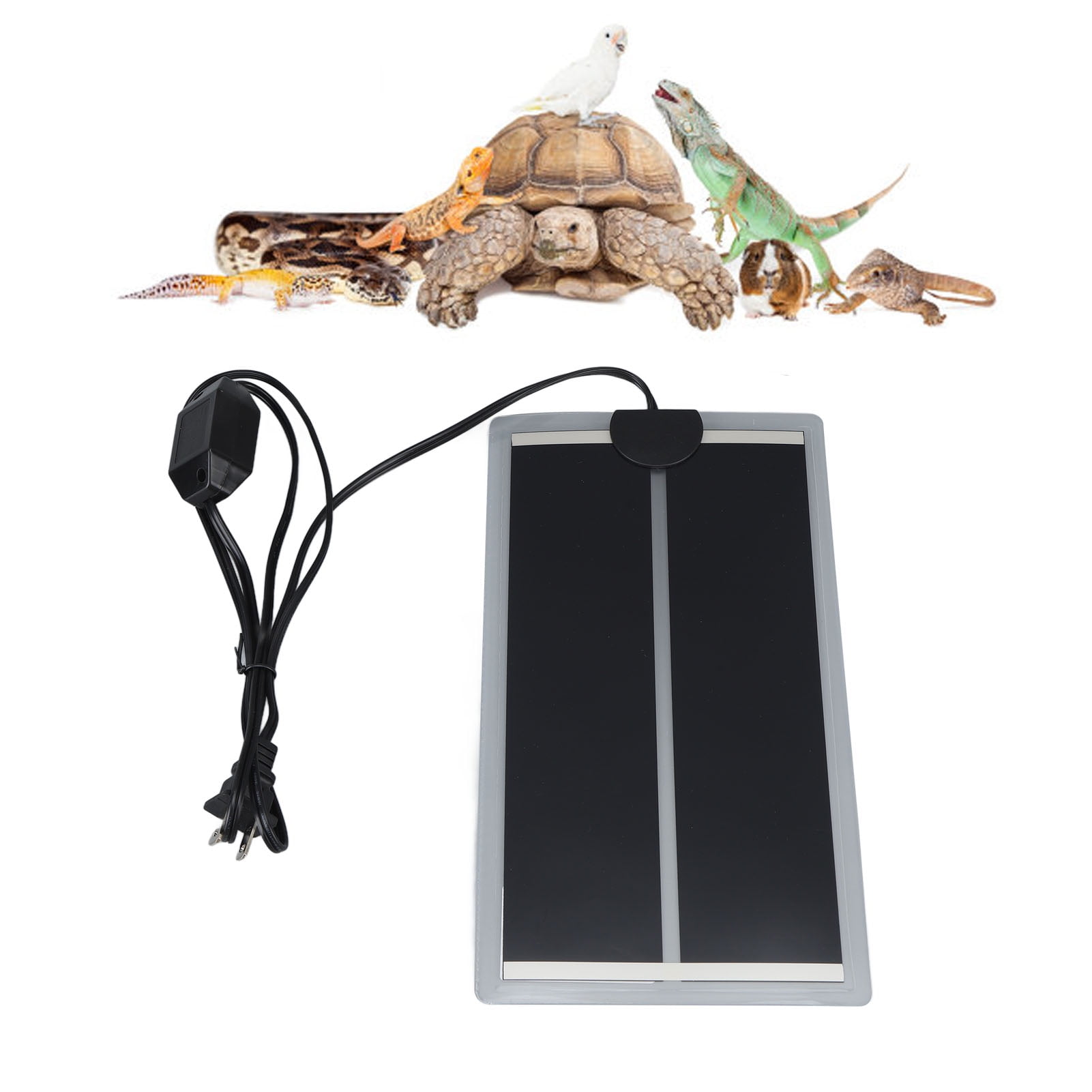
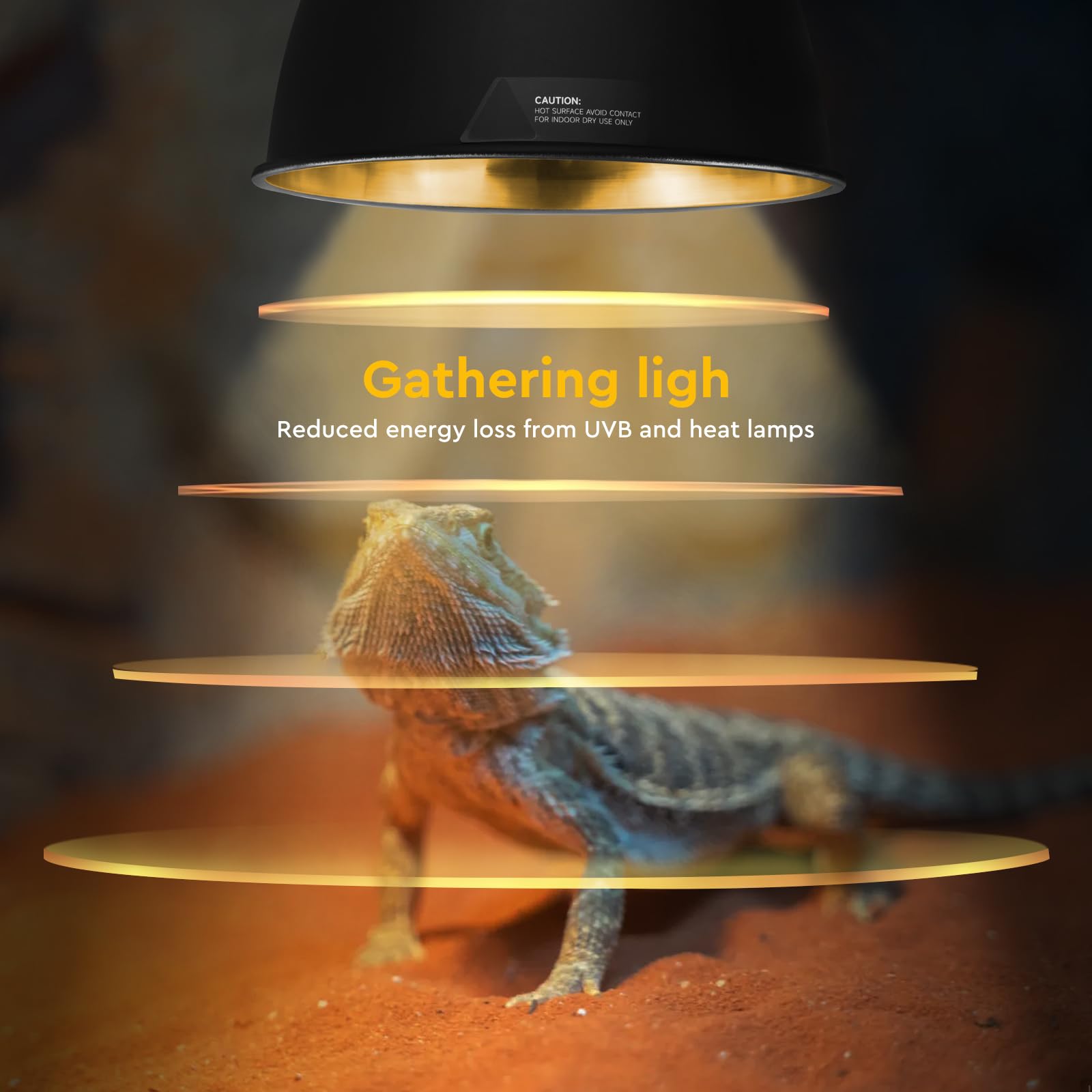
Reptile heat lamps and heating pads are two popular heat sources for reptile enclosures, each with its own set of advantages and disadvantages. The choice between the two often depends on the specific needs of the reptile species being kept. In this article, we will explore the pros and cons of using reptile heat lamps and heating pads for different species of reptiles. Reptile heat lamps are designed to provide overhead heat and light, mimicking natural sunlight and creating a basking spot. They are ideal for reptiles that require basking and UV exposure, such as bearded dragons, monitor lizards, and iguanas. Heat lamps come in different types, including incandescent, halogen, and ceramic heat emitters. They are also available in various shapes and sizes, making them suitable for enclosures of different sizes. Heating pads, on the other hand, are designed to provide warmth from below. They are ideal for ground-dwelling or nocturnal reptiles, such as snakes, geckos, and skinks. Some reptile species, like bearded dragons, may also benefit from the thermal gradient created by a heating pad. There are various types of heating pads available, including ceramic, heat mats, and under-tank heating pads. One of the main differences between reptile heat lamps and heating pads is the way they distribute heat. Reptile heat lamps provide overhead heat and light, while heating pads deliver warmth from below. This means that heat lamps are better suited for reptiles that require basking and UV exposure, while heating pads are more suitable for ground-dwelling or nocturnal species. When choosing between reptile heat lamps and heating pads, it is essential to consider the specific needs of the reptile species being kept. Here are some tips for species specific settings:- Bearded Dragons: Reptile heat lamps are ideal for bearded dragons, which require basking and UV exposure to regulate their body temperature. A heat lamp should be placed above the basking spot to provide a comfortable temperature for the dragon.
- Monitor Lizards: Monitor lizards, like bearded dragons, also require basking and UV exposure. A reptile heat lamp or a combination of a heat lamp and a heating pad can be used to create a comfortable temperature gradient for these species.
- Snake Heating Pad Options**: Reptile heating pads, specifically ceramic or heat mat style, can be better suited for snakes and other ground-dwelling reptiles. They deliver even warmth from below and create a comfortable temperature gradient.
- Geckos**: For geckos, heating pads may be more suitable due to their nocturnal behavior. However, it is crucial to ensure the temperature is stable and not too high, which can lead to heat exhaustion.
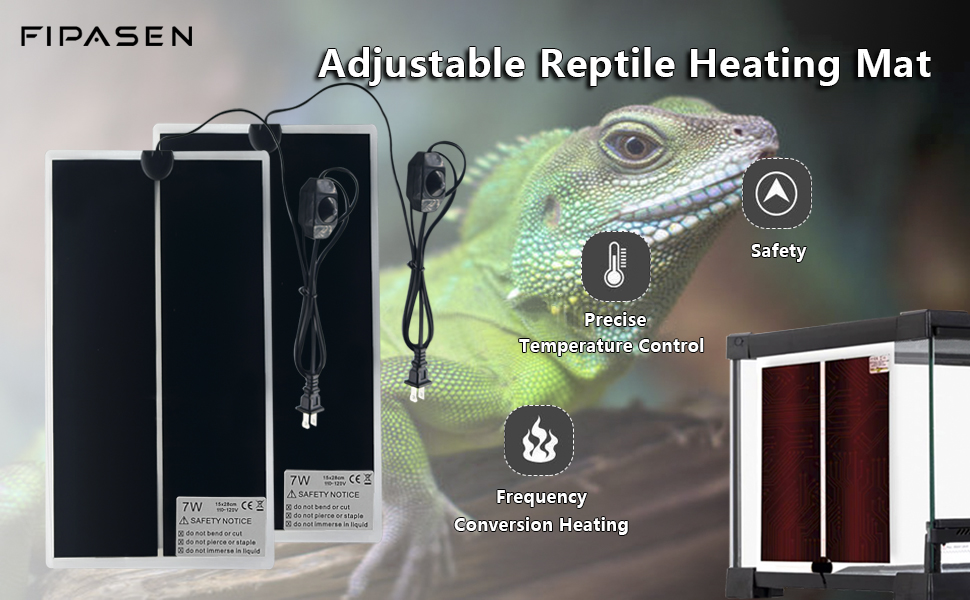
This particular example perfectly highlights why Reptile Heat Lamp Vs Heating Pad For Species Specific Settings is so captivating.
The choice between reptile heat lamps and heating pads depends on the specific needs of the reptile species being kept. Considering the differences in heating methods and species specific settings can help ensure a comfortable and healthy environment for your scaly companion. Here are some additional tips for selecting the right heating equipment for your reptile:- Always research the specific temperature needs of your reptile species to ensure you provide a suitable environment.
- Consider the size of your reptile's enclosure when selecting a heating source.
- Select a high-quality thermostat to regulate the temperature accurately.
- Regularly monitor the temperature within the enclosure using a reliable thermometer.