Breathtaking Photos and Facts About Flea Medicine For Cats With Hairballs
Flea Medicine for Cats with Hairballs: A Comprehensive Guide
Hairballs, also known as trichobezoars, are a common problem in cats. They occur when a cat swallows a large amount of hair while grooming, which then accumulates in the stomach and forms a ball. While some hair can pass through the digestive system without issue, excessive hair can lead to hairballs. Regular grooming and hairball prevention treatments can help minimize the risk of hairballs in cats.
Revolution Topical Solution for Cats kills adult fleas and prevents flea eggs from hatching for one month. It also treats and controls ear mite infestations.
PetLock Pro is a vet-approved line of monthly topical treatments that eliminates fleas, ticks, chewing lice, and flea eggs and larvae.
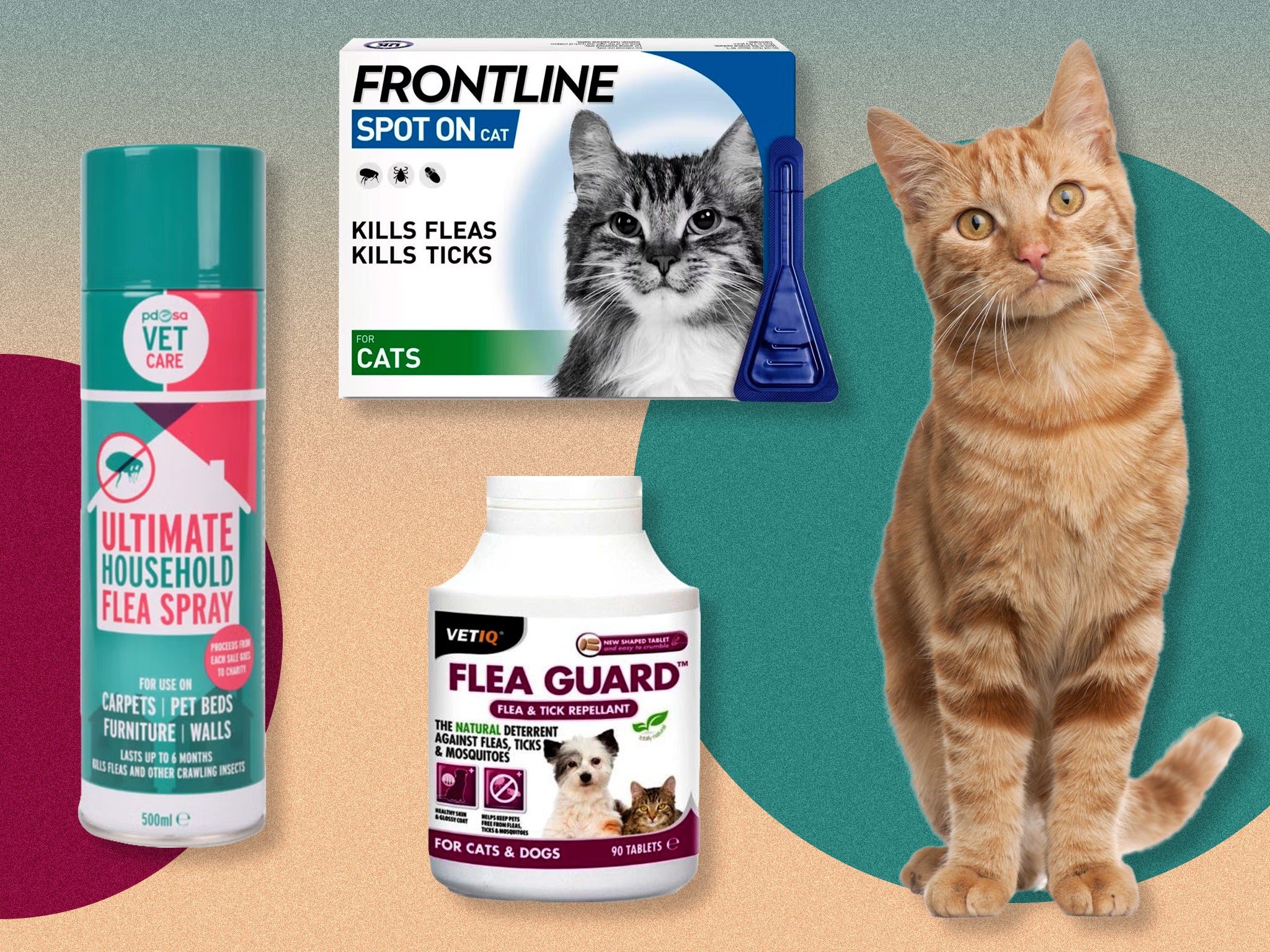
Frontline Plus is another popular flea treatment that kills adult fleas and flea eggs, and prevents them from hatching.
Flea Medicine For Cats With Hairballs
Moving forward, it's essential to keep these visual contexts in mind when discussing Flea Medicine For Cats With Hairballs.
How to Prevent Hairballs in Cats
While flea medicine for cats with hairballs can help alleviate the issue, there are also other ways to prevent hairballs in cats. Here are some tips:
Flea Medicine For Cats With Hairballs
Furthermore, visual representations like the one above help us fully grasp the concept of Flea Medicine For Cats With Hairballs.
If your cat is experiencing hairballs, it's essential to consult a veterinarian to determine the underlying cause and develop a treatment plan. In some cases, hairballs may be a sign of an underlying health issue, such as: